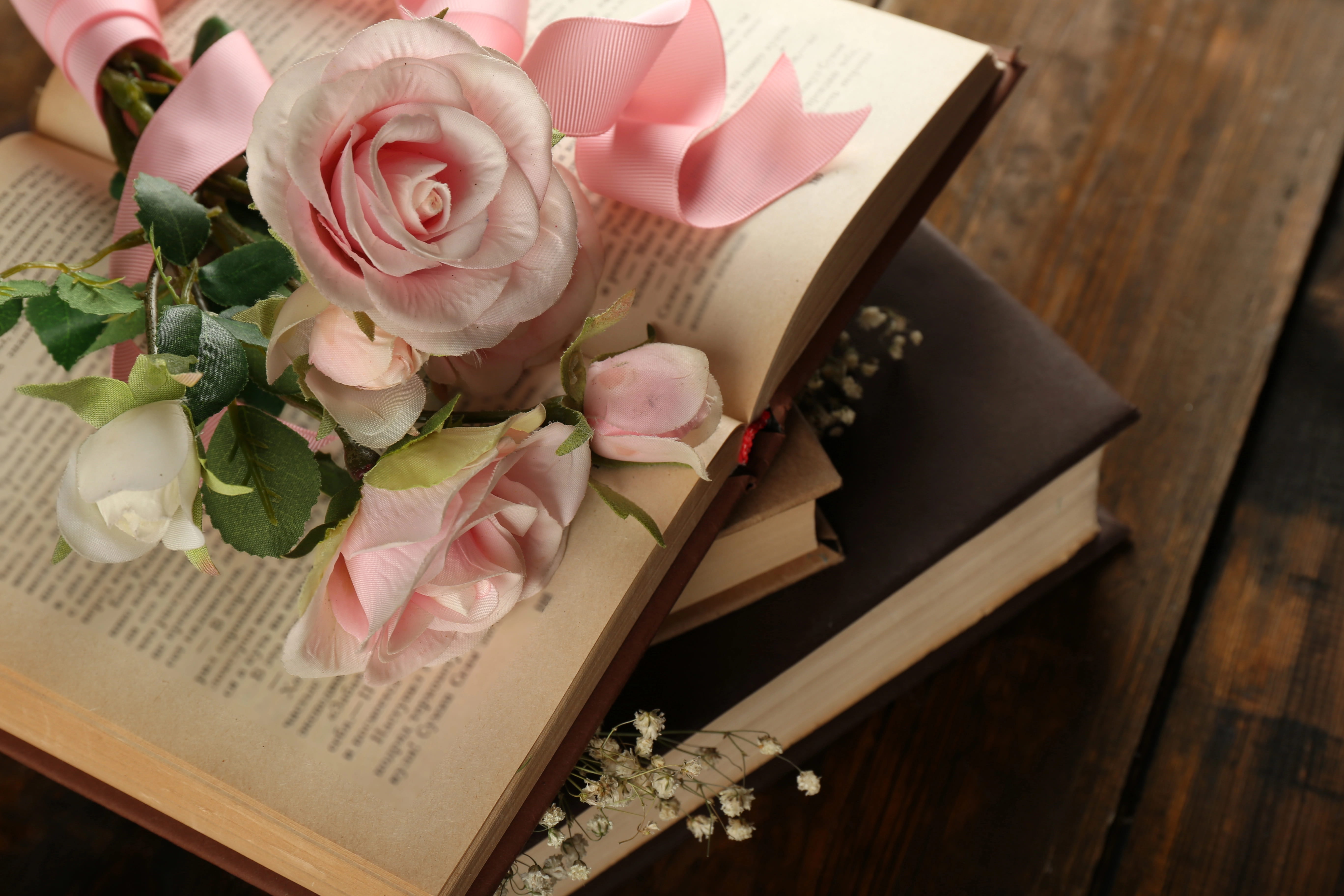
Long before we could send a quick text message to express our feelings, people relied on the silent, visual language of nature. Flowers have never been just beautiful objects; they are ancient messengers. The practice of floriography (the secret language of flowers) has influenced human expression for centuries, becoming a powerful tool for storytellers and painters alike.
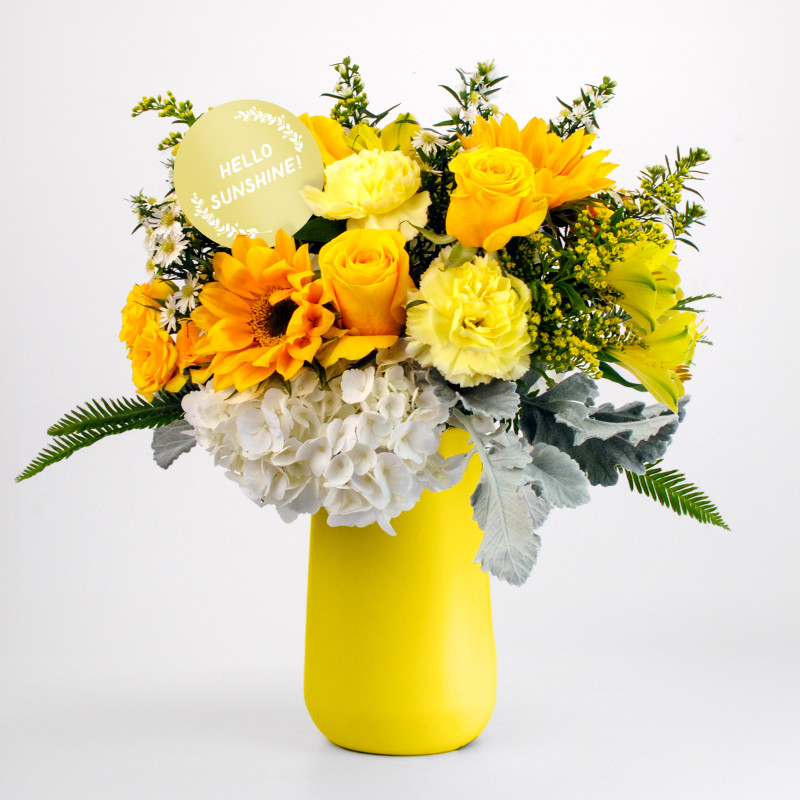
At Rockcastle Florist, we spend our days surrounded by these living symbols. Every bouquet we design carries a specific mood and message. To truly appreciate the weight of the stems you place on your kitchen table or gift to a friend, it helps to look back at how they have been immortalized on the page and the canvas.
Here is a look at the profound symbolism of flowers in literature and art, and how those ancient meanings still apply today.
1. The Written Word: Weaving Floral Lore
When authors sit down to draft a novel or a play, they become the true architects of existence for their characters. To make these fictional landscapes feel tactile and emotionally resonant, writers rely heavily on rich world building, and floral lore is one of their sharpest tools.
Instead of plainly stating a character's internal struggle, an author will place a specific bloom in their hand to reveal their secrets.
- Shakespeare’s Mastery of Petals: In Hamlet, Ophelia famously uses flowers to communicate what the restrictive royal court will not allow her to say aloud. She hands out Rosemary for remembrance and Pansies for thoughts, using the botanicals to silently indict those around her and express her profound grief.
- The White Rose of Secrecy: In medieval literature and poetry, the white rose was the ultimate symbol of confidentiality. The Latin phrase sub rosa (under the rose) literally meant that any words spoken beneath a hanging white rose were sworn to utter secrecy.
- The Red Camellia: In Alexandre Dumas’s classic The Lady of the Camellias, the main character wears red and white camellias to signal her availability and her emotional state, using the flower as a shield and a communicator in 19th century Parisian society.
2. The Canvas: Pigments of Hope and Resilience
While writers use flowers to hide secrets, visual artists have historically used them to broadcast raw emotion. Throughout art history, botanical paintings have often served as heartwarming highlights during darker cultural periods. By capturing the fleeting, fragile beauty of a bloom before it fades, artists used flowers to uplift the viewer, capture optimism, and restore faith in humanity.
- Van Gogh and the Power of Yellow: Vincent van Gogh’s iconic Sunflowers series wasn’t just an exercise in color theory. For Van Gogh, the vibrant, sun drenched yellow of the sunflower was a literal representation of gratitude, friendship, and vitality. Painted during a period of intense personal struggle, they were a defiant, joyful celebration of life.
- The Dutch Golden Age and the "Vanitas": In 17th century Dutch still life paintings, massive, wildly expensive floral arrangements were painted with staggering realism. However, if you look closely, you will often find a single wilting tulip or an insect on a petal. These were Vanitas paintings, beautiful reminders that life is short and we must appreciate the vibrant, fleeting moments of today.
- Monet’s Water Lilies: Claude Monet spent the last decades of his life obsessively painting the water lilies in his garden at Giverny. After the devastation of World War I, he offered his massive, serene water lily murals to the French state as a monument to peace, using the calming nature of the floating botanicals to soothe a grieving nation.
3. Bringing the Lore to Life in Your Home
You don't need to be a classical painter or a Victorian novelist to harness the power of floral symbolism. When you choose an arrangement today, you are participating in that exact same historical language.
- Gifting for Support: If a friend is going through a tough transition, bypass the standard roses and send Blue Irises. In classical mythology, Iris was the messenger of courage and wisdom, making the flower a bold symbol of valor and deep respect.
- Designing for the Home: If you are styling your own space, consider the emotional atmosphere you want to build. A vase of Alstroemeria (representing mutual support and devotion) brings a welcoming, communal energy to a dining table, while crisp White Hydrangeas bring a sense of sincere, grounding peace to a bedroom.
Tell Your Story with Rockcastle Florist
Every flower arrangement we create is a chance to write a new chapter or paint a new memory. Whether you want to send a secret message of admiration or just bring a vibrant, joyful sunflower masterpiece into your own living room, our artisan designers at Rockcastle Florist are ready to help you speak through the timeless language of flowers. Contact Rockcastle Florist and let our team help you decide what message you want to send.